
Two cars can leave the factory with the exact same paint code and still look slightly different by the time they’re a few years old, thanks to sun exposure, wear, and the factory’s own batch-to-batch variation. That’s exactly why automotive paint matching is one of the most technical parts of any repair, and it’s a step that separates a seamless auto paint repair in Long Beach, CA, from a panel that never quite blends in.
Why the Paint Code on the Door Jamb Isn’t Enough
Every vehicle has a paint code stamped somewhere on the body, usually on a door jamb sticker or under the hood, and it tells a technician which base formula to start with. But that code only describes the color as it left the factory. Sun fading, prior touch-ups, and the specific batch of paint used on that particular vehicle can all shift the actual color enough that mixing straight from the code alone will leave a panel that’s technically correct and visually wrong.
How Technicians Actually Get the Color Right
Before any car painting begins, technicians pull a sample from an inconspicuous spot on the vehicle and compare it against the formula in natural and artificial light, since a color that matches under one light source can look off under another. This process, often called
automotive paint matching, is part science and part trained eye. Many shops also spray test cards and let them cure before making a final adjustment, because wet paint and cured paint don’t always read the same.
Why Blending Matters as Much as Mixing
Even a near-perfect match can look wrong if it stops abruptly at a panel edge. That’s why vehicle refinishing almost always involves blending the new paint into the adjacent panels, gradually fading the edge so there’s no visible line where old paint meets new. This is also where a shop’s reputation for careful auto paint repair really shows. The solvents and application methods used during blending fall under federal air quality standards for refinishing coatings, and in California, additional limits come from the state’s motor vehicle refinishing coatings rule.
The Training Behind a Seamless Finish
Color matching is a skill that takes years to develop, and it’s the kind of specialized training supported by organizations like the Collision Repair Education Foundation, which helps build the pipeline of technicians who can do this work well. A shop that treats color matching as a quick afterthought is one of the most common reasons customers end up unhappy with an otherwise solid repair, since a mismatched panel is often the first thing anyone notices.
Why This Step Is Worth Getting Right
A repair that’s structurally perfect can still hurt a car’s resale value if the paint doesn’t match, since color mismatch is one of the first things both buyers and appraisers notice. That’s why proper auto body repair treats color matching as part of the job, not an optional upgrade, and why it’s worth asking a shop directly about their process before you commit to one. It’s also worth reviewing what a fair, itemized estimate should include, since paint and blending work should be broken out clearly rather than buried in a single line item.
Paint Matching and Refinishing atE3 Collision
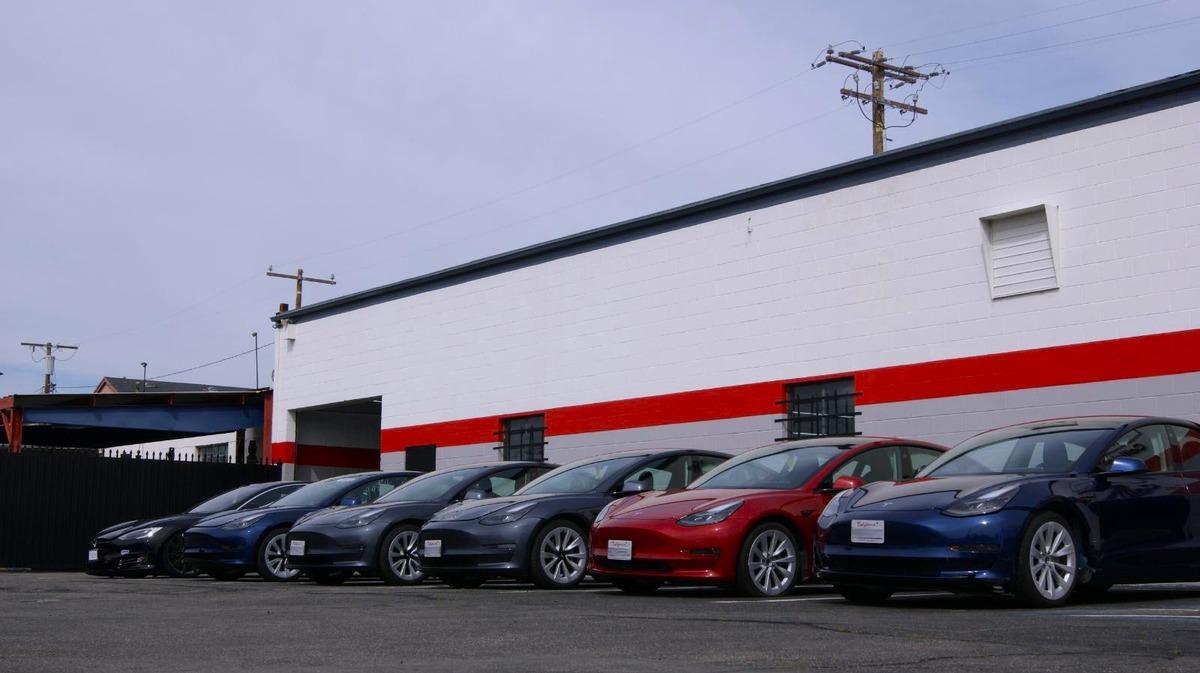
E3 Collision handles automotive paint matching in-house at our Long Beach location, pulling samples and test-spraying before any panel goes back on a car. For drivers comparing options for vehicle refinishing in Long Beach, CA, that in-house process means your car doesn’t have to leave our shop for a separate paint specialist, and it stays under the same roof as our collision repair and accident repair work. Reach out to us and let’s talk about matching your paint the right way.
