
There’s no single answer to how long a repair will take, and any shop that gives you a firm date before looking at the damage is guessing. What a certified collision repair center can offer instead is a realistic range based on the actual scope of work, which is one of the first things to ask about when you’re comparing options for collision repair in Long Beach, CA.
The Factors That Actually Drive the Timeline
Parts availability is usually the biggest variable, especially for newer models or vehicles where a specific panel has to come from the manufacturer rather than an aftermarket supplier. Beyond parts, the extent of structural work, how many panels need to be blended for paint matching, and whether hidden damage turns up once the vehicle is disassembled all factor into the final schedule. A simple bumper replacement might be finished in two or three days, while structural collision repair involving frame work can take two to three weeks or longer.
Why Insurance Approval Can Add Time
Once a shop submits a supplement, meaning additional damage found after the repair began, the insurance company typically needs to review and approve it before work continues. Well-organized auto body repair shops keep this process moving by documenting everything with photos and submitting supplements quickly, but the review itself is out of the shop’s hands.
Knowing your rights during this process, including your right to choose your own shop, is covered directly in the state’s insurance consumer guidance.
What a Realistic Timeline Actually Looks Like
For context, minor cosmetic repairs might take two to four days, moderate panel and paint work often runs one to two weeks, and major structural repairs involving frame straightening or significant parts replacement can stretch to three weeks or more. Any collision center that gives you regular updates rather than radio silence is doing you a favor, since not knowing where your vehicle stands in the process is often more frustrating than the wait itself. That’s the kind of standard you should expect from any certified collision repair center regardless of how minor or major the repair is.
How to Keep Your Repair on Schedule
Respond quickly to calls or texts from your adjuster and the shop, since delays on your end can stack on top of delays that are already out of anyone’s control. Ask upfront whether the shop is a preferred provider for your insurance company, and request a copy of the state’s itemized estimate guidance so you know how to read the paperwork you’re signing. Industry groups that track shop standards across the country note that clear communication is one of the most consistent differences between a stressful repair experience and a smooth one, and collision experts who set expectations early tend to deliver on them more consistently.
Realistic Timelines atE3 Collision
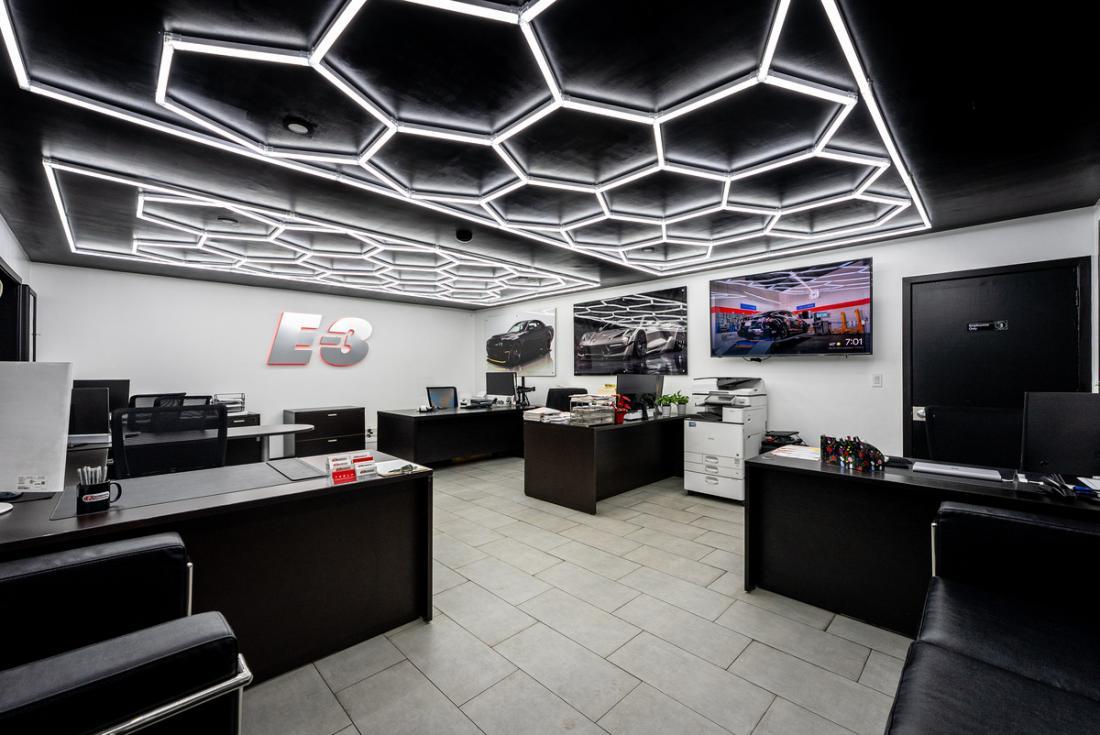
E3 Collision gives every customer an honest timeline once a full inspection is complete, rather than a placeholder number meant to get you in the door. As a certified collision repair center serving Long Beach and Fontana, we walk you through what’s driving your specific structural repair timeline, whether that’s a part on backorder or frame work that needs extra time to get right.
If you’re comparing your options at a Long Beach collision center, it’s worth asking every shop the same question: what specifically is driving your quoted timeline. Review the state’s guidance on what to do after a crash before you commit to a shop, then contact us and we’ll give you a straight answer about your vehicle.
