
A fender bender at low speed can feel like nothing more than a scare and a scuff, but the damage underneath the bumper cover is often worse than it looks. That’s exactly why professional auto body repair starts with a full inspection rather than a glance at the paint, and it’s one of the most overlooked steps in car accident repair in Long Beach, CA.
What a Minor Impact Can Actually Damage
Bumpers are designed to absorb some impact and protect the more expensive components behind them, which means the plastic cover can look nearly untouched while the reinforcement bar, sensors, and brackets behind it take the real hit. Radiator supports, headlight housings, and the mounting points for safety sensors all sit close to the front bumper, and a low-speed hit can knock any of them out of position without leaving a visible mark. Even the frame rail or subframe behind the bumper can absorb a small amount of hidden stress, which is why a shop that only inspects what’s visible from the outside can easily miss something that shows up later as an alignment problem or an unexplained rattle.
Why Sensors and Cameras Need a Second Look
Modern vehicles pack radar units, cameras, and parking sensors into the front and rear bumpers, all calibrated to very precise angles. A minor impact can shift one of these components just enough to throw off lane-keeping assist or automatic emergency braking without triggering a dashboard warning. Collision repair that skips a calibration check after any bumper work is leaving a safety system essentially untested, which is precisely why proper auto body repair means more than making the bumper look new again.
Why a Quick Inspection Is Worth the Time
Even if you don’t plan on filing a claim, it’s worth having a shop look the vehicle over, since a small accident is exactly the kind of thing that’s easy to underreport if you’re not sure whether it needs to go to the DMV. The state’s own guidance on what to do after a crash walks through what’s actually required versus what’s just good practice, and a quick inspection from collision experts can tell you which bucket your situation falls into before you decide whether to file anything at all.
What to Ask Before You Say It’s Fine
If a shop tells you everything looks fine after a two-minute look at the bumper, it’s fair to ask what exactly they checked. A thorough auto body shop will pull the bumper cover, inspect the reinforcement structure, and check for any fault codes related to sensors or cameras before clearing the vehicle. That level of diligence is part of what independent safety researchers rely on when they evaluate how well a vehicle’s systems perform after real-world repairs, and it is exactly the standard that separates a genuine car accident repair from a rushed cosmetic touch-up.
Hidden Damage Inspections atE3 Collision
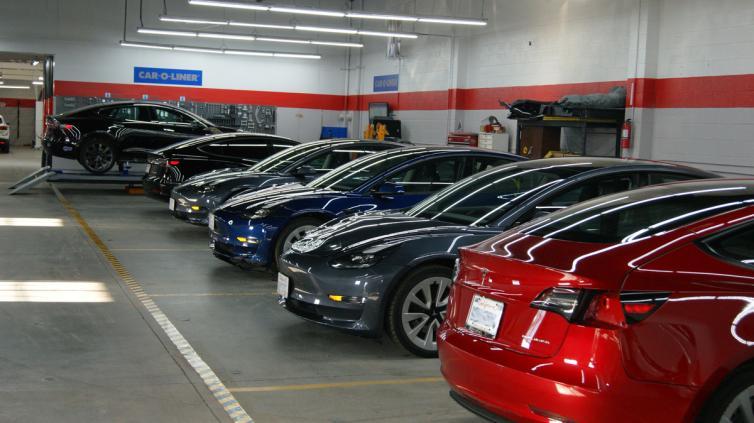
E3 Collision inspects every vehicle that comes through our Long Beach and Fontana shops for the kind of hidden damage a quick glance won’t catch, including sensor and camera calibration after any bumper repair.
That’s why every inspection here treats auto body repair as more than cosmetic work. For drivers looking for collision experts in Long Beach, CA, after even a minor accident, that thoroughness is the difference between a repair that looks fine and one that’s actually been confirmed safe, and it’s backed by the same protections outlined in the state’s auto repair consumer bill of rights. If you were in a fender bender and aren’t sure whether it’s worth a look, bring it by and let us check for you.
